
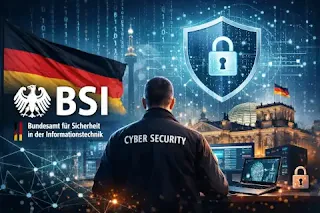
The Federal Office for Information Security (BSI Germany) is the country’s central institution for cybersecurity. Known officially as the German cybersecurity authority, it protects government IT systems, sets national IT security standards, and provides citizens with tools for digital consumer protection. Through its official portal, the bsi.bund.de site, the agency offers practical guidance on safe internet use, making it a vital ally for everyday digital consumers.
What Is the BSI Germany?
The BSI Germany was founded in 1991 to address the growing need for national cybersecurity. As the German cybersecurity authority, it operates under the Federal Ministry of the Interior. Its mission is twofold: to secure government IT infrastructure and to empower citizens with knowledge and tools for safe internet use.
By establishing IT security standards, the BSI Germany ensures consistency across industries, while its digital consumer protection programs translate complex cybersecurity issues into practical advice for the public.
History of the German Cybersecurity Authority
Founding Years
In its early years, the German cybersecurity authority focused on cryptography and secure communications. The creation of IT security standards was a priority, ensuring that government systems could withstand emerging threats.
Growth in the 2000s
As the internet expanded, the BSI Germany introduced the IT Baseline Protection Catalogs, which became a cornerstone of national policy. These catalogs provided organizations with minimum IT security standards, helping businesses and institutions align with best practices.
Modernization
By the 2010s, the German cybersecurity authority had launched CERT-Bund, Germany’s national Computer Emergency Response Team. This initiative strengthened digital consumer protection by coordinating responses to cyber incidents and issuing advisories on safe internet use.
Responsibilities of the BSI Germany
Government IT Protection
The BSI Germany safeguards federal networks against cyberattacks, monitors vulnerabilities, and ensures sensitive data remains secure.
Critical Infrastructure
The German cybersecurity authority collaborates with private sectors—energy, healthcare, finance—to enforce IT security standards and protect critical infrastructure.
Product Certification
Through certification programs, the BSI Germany validates IT products and services. This builds trust among consumers and supports digital consumer protection.
Cryptography Development
The agency develops secure algorithms and tools, such as Gpg4win, ensuring encrypted communication for safe internet use.
Public Advisories
The German cybersecurity authority issues advisories on vulnerabilities in platforms like WordPress and Ivanti, reinforcing digital consumer protection.
Services for Digital Consumers
Security Guidance
On bsi.bund.de, the BSI Germany provides guides on safe internet use, including password management and phishing awareness.
Newsletter “Sicher informiert”
This newsletter is a cornerstone of digital consumer protection, explaining threats in simple language.
Podcast “Update verfügbar”
The podcast educates citizens on cybercrime and safe internet use, reinforcing the role of the German cybersecurity authority.
Incident Reporting
Consumers can report IT problems directly to the BSI Germany, ensuring rapid responses aligned with IT security standards.
Smart Living Security
The agency offers advice on IoT devices, a critical part of digital consumer protection.
Why the BSI Germany Matters for Consumers
The German cybersecurity authority ensures that individuals can practice safe internet use without needing technical expertise. Its independence guarantees unbiased advice, while its IT security standards provide a framework for trust.
For citizens, the BSI Germany is more than a government agency—it is a partner in digital consumer protection, helping them avoid scams and secure devices.
Case Studies: BSI Germany in Action
Ransomware Campaigns
The German cybersecurity authority issued detailed guidance during ransomware surges, reinforcing digital consumer protection and promoting safe internet use.
IoT Vulnerabilities
By highlighting insecure devices, the BSI Germany strengthened IT security standards and educated consumers on digital consumer protection.
Phishing Awareness
Campaigns by the German cybersecurity authority emphasized vigilance, teaching citizens how to maintain safe internet use.
Challenges in the Digital Age
Evolving Threats
The BSI Germany faces constant challenges from ransomware and AI-driven attacks. Maintaining IT security standards is essential for resilience.
Consumer Complacency
The German cybersecurity authority warns that complacency undermines digital consumer protection. Citizens must remain proactive in practicing safe internet use.
Emerging Technologies
Quantum computing threatens current encryption. The BSI Germany is preparing new IT security standards to safeguard digital consumer protection.
Future Outlook
Post-Quantum Cryptography
The German cybersecurity authority invests in post-quantum solutions, ensuring IT security standards remain strong.
International Cooperation
The BSI Germany collaborates with EU and NATO partners, reinforcing digital consumer protection globally.
Expanding Outreach
Through newsletters and podcasts, the German cybersecurity authority continues to promote safe internet use.
Practical Consumer Checklist
To apply BSI guidance at home:
- Follow IT security standards for devices.
- Practice safe internet use daily.
- Engage with digital consumer protection resources.
- Trust advisories from the German cybersecurity authority.
- Stay informed via the BSI Germany portal.
Conclusion
The BSI Germany is the cornerstone of national cybersecurity. As the German cybersecurity authority, it enforces IT security standards, promotes digital consumer protection, and educates citizens on safe internet use. For consumers, the agency is a vital ally in navigating the digital age.
More information about The Federal Office for Information Security (BSI Germany) in our article “Why you need to know BSI Germany”
This article explains ‘Why the honorary consul of Germany in Queretaro is accused of Cyberaggression against the state of Mexico’
Hello http://queratero.com,
Can I send you a free SEO report for your website?
It will highlight a few opportunities that may help improve your online visibility.
Just reply “Yes.”
Thank you!
Radhika